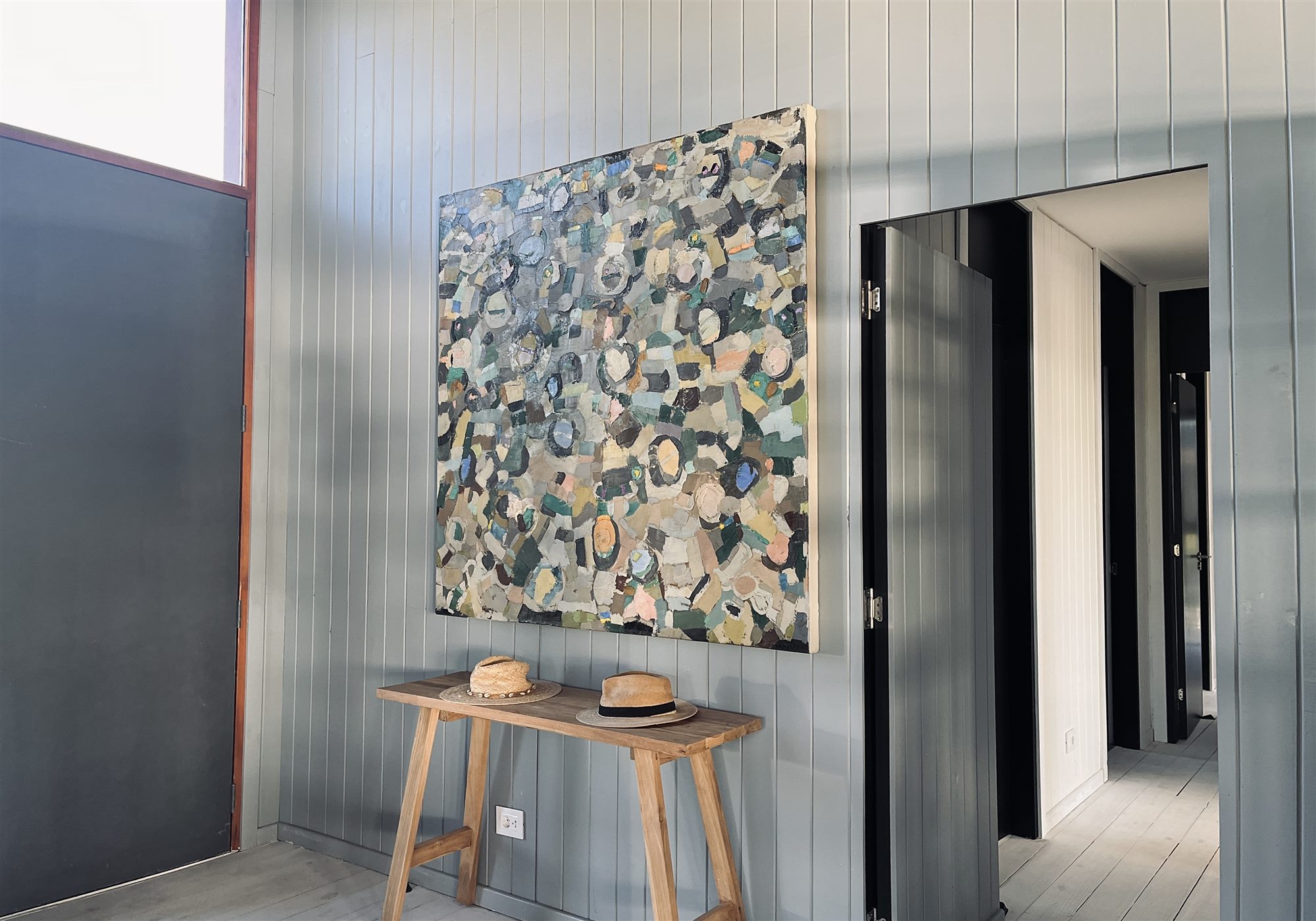
Relocation to Uruguay: Why More Foreigners Are Choosing the East — and Building in Wood
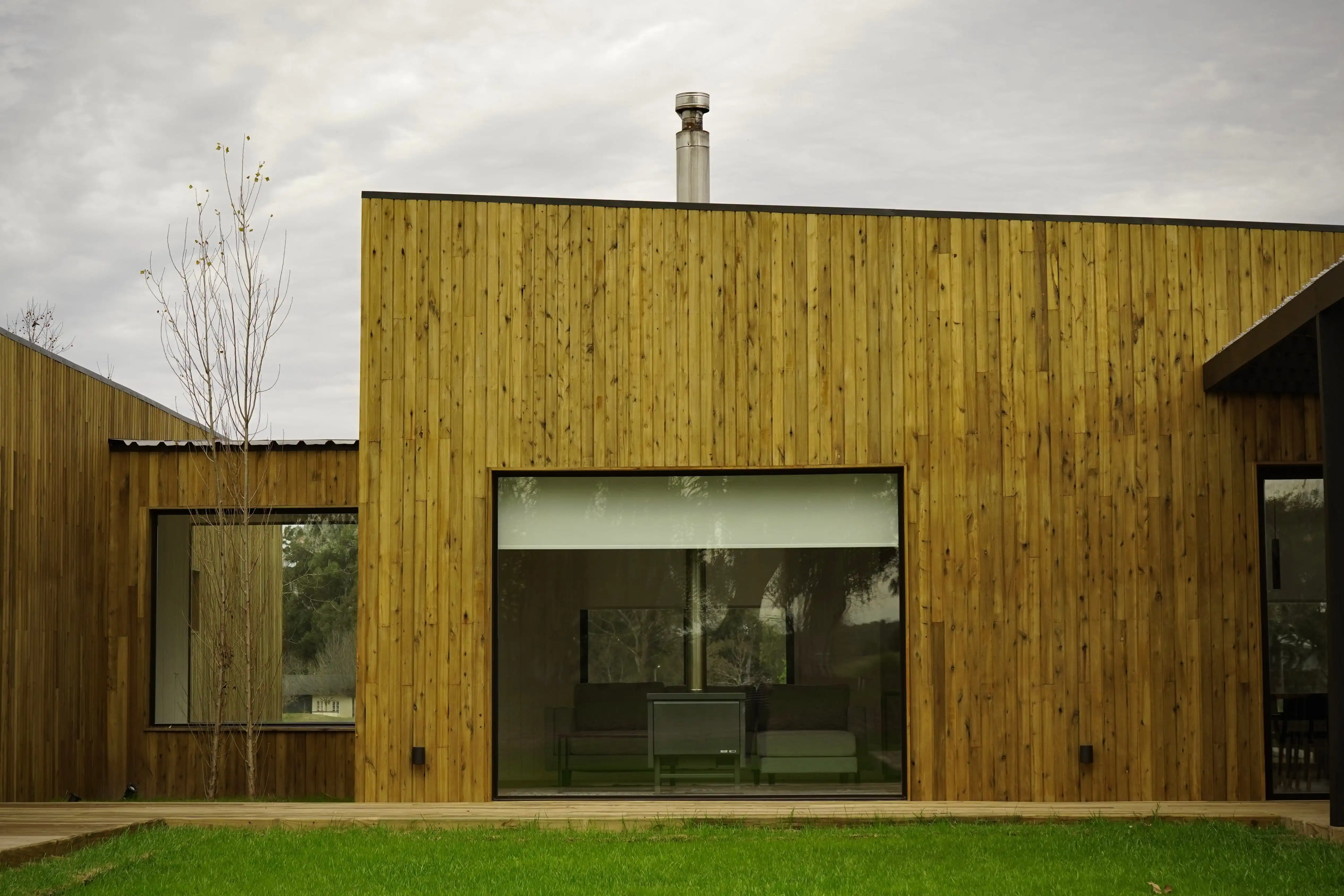
Interest in relocation to Uruguay has grown steadily over the past few years. For many Americans and Europeans researching moving to Uruguay or exploring what it means to live here long term, the country represents political stability, personal safety and a more grounded pace of life. While Montevideo remains the capital and financial center, the eastern region — particularly Punta del Este, La Barra, Manantiales and José Ignacio — has become a focal point for foreign residents. The appeal goes beyond the Atlantic coastline. What draws people here is a lifestyle built around space, privacy and contact with nature, without sacrificing infrastructure, healthcare and connectivity. For those considering living in Uruguay, the East offers something increasingly rare: tranquility without isolation. Once the decision to relocate becomes concrete, the next step is clear: how to buy land and build a house in Uruguay in a structured and reliable way.
Uruguay as a Destination for Expat Life
Uruguay allows foreign buyers to acquire property under the same legal conditions as citizens. This makes buying property in Uruguay as a foreigner a straightforward process compared to other destinations in the region. The eastern departments continue to grow, with residential developments that respect low-density planning and environmental integration. Many families relocating from North America or Europe choose this region precisely because it aligns with their expectations of space, light and natural surroundings. A home here is not only an investment — it becomes part of a deliberate lifestyle choice.
The Growth of Woodframe Homes in Uruguay
As demand increases, so does interest in efficient and environmentally conscious construction systems. Woodframe homes in Uruguay are gaining visibility, particularly in coastal areas where performance and integration with the landscape are essential. Wood construction responds naturally to this context. - Efficient Construction Timelines: Dry systems allow shorter and more predictable execution periods. For clients coordinating projects from abroad, clarity in scheduling is essential. - Thermal and Acoustic Performance: Woodframe panels incorporate integrated insulation layers, including thermal and vapor barriers, ensuring year-round comfort. In the East — where wind exposure and humidity are constant factors — this performance becomes especially valuable. - Certified Structural Treatment: The structural wood we use is industrially treated with CCA or MCA preservatives. Through controlled impregnation processes, double drying and laboratory testing (Oxford Lab 3500), each load is verified for proper penetration and retention according to AWPA standards and ISO 9001 quality systems. This level of quality control supports long-term durability — a key factor for permanent relocation. - Integration With the Landscape: In Punta del Este and surrounding areas, architecture is expected to respond to its environment. Wood aligns naturally with coastal and rural settings, reinforcing the coherence between house and landscape that many foreign residents seek.
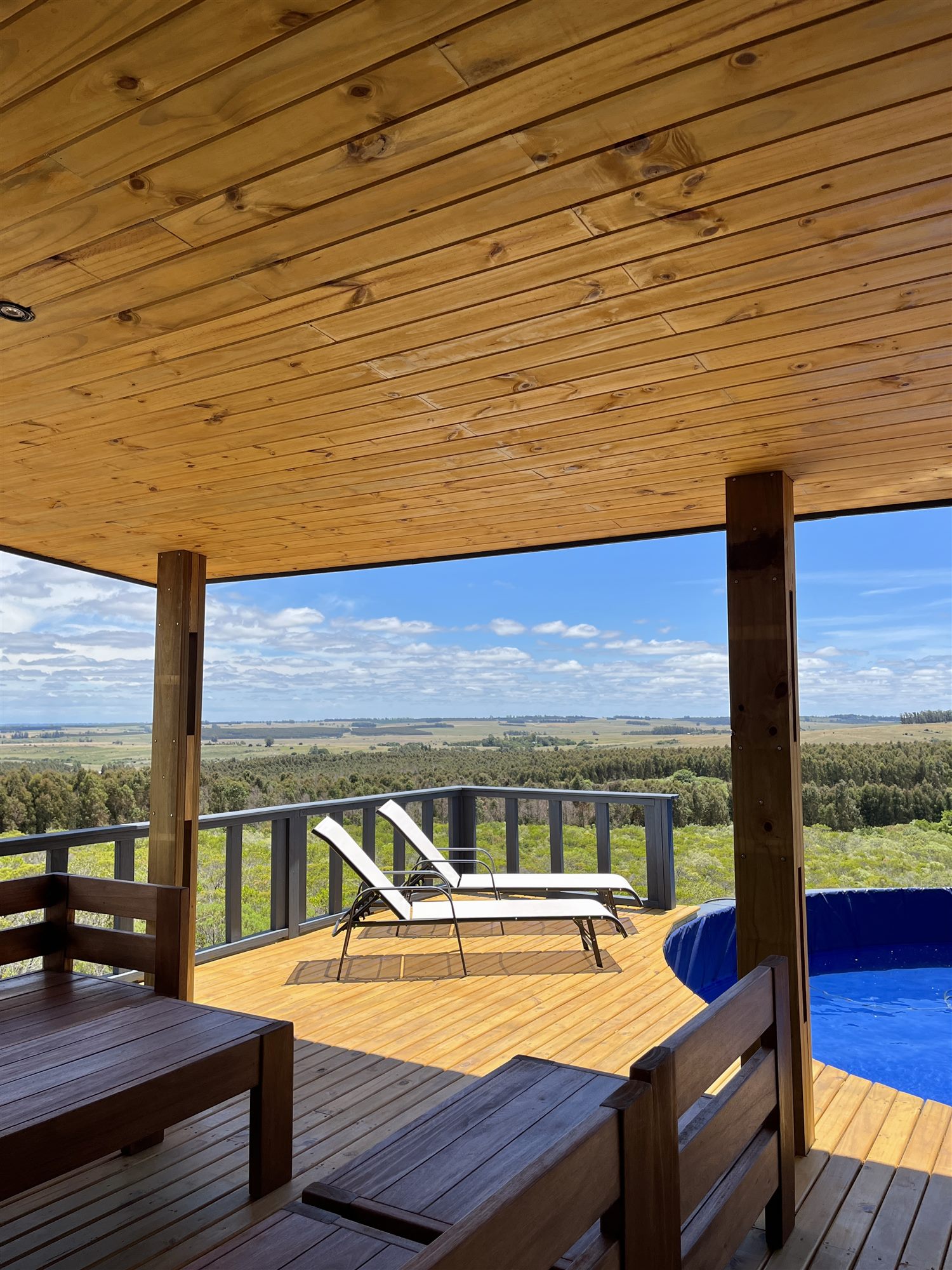
Custom Design or Modular Solutions: Two Paths to Build in Uruguay
1. Custom-Designed Homes For permanent residence, custom homes over 100 m² provide flexibility in layout, materials and finishes. The reference value is approximately USD 1,850 per square meter, depending on specifications. Each project begins with the client’s vision. We work alongside architects — either chosen by the client or from our network of collaborating studios — to develop a design aligned with the environment and the intended use. Our team uses CADWORK with BIM methodology to model the structure, generate fabrication drawings and optimize execution, ensuring precision throughout the process .
MOX Modular Line
For those seeking defined budgets and faster implementation, our MOX modular homes provide a structured alternative. These pre-designed models are built in a controlled workshop environment and transported to site, reducing on-site construction time and improving cost predictability. MOX 32 (32 m²)
- Compact one-bedroom solution
- Approx. USD 45,000 + VAT
- Two-bedroom layout
- Approx. USD 57,500 + VAT
- Two-bedroom with expanded social areas
- Approx. USD 90,000 + VAT
Starting the Process From Abroad
Relocation often begins before arrival. Many international clients initiate architectural planning and budget definition while still overseas. Our process includes: - Design coordination - Planning and timeline organization - On-site construction and supervision We also coordinate the management of social security contributions to BPS (Uruguay’s social security system) and the hiring of a gestor to handle the initiation of works, monthly payroll payments and legal contributions related to construction . Our quotation includes these social contributions, ensuring compliance with local regulations Certain items — such as executive project documentation, municipal taxes and architectural direction — are managed in coordination with the project architect, following standard procedures in Uruguay . This structure provides clarity and continuity from planning to delivery.
Building as Part of the Relocation Journey
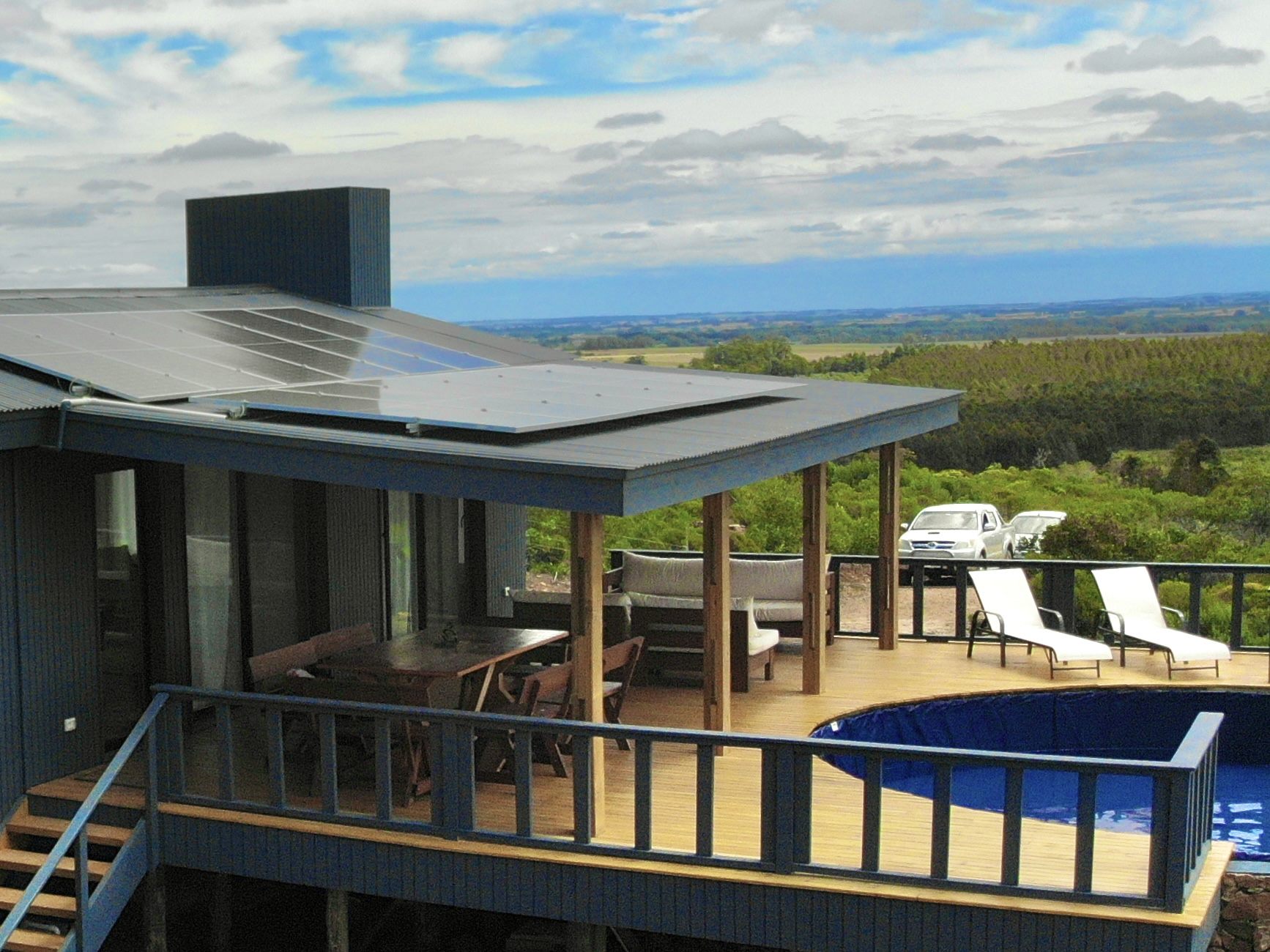
Choosing Uruguay — and particularly the East — is often about seeking balance: political stability, personal security, access to healthcare and a closer relationship with the landscape. The growth of woodframe construction in Punta del Este and surrounding areas reflects this shift. It is a system that combines efficiency, durability and environmental integration. Relocation is a significant decision. Building well is part of starting well. If you are exploring moving to Uruguay and considering how to build a house here, understanding local construction systems — and working with an experienced team — becomes essential to turning that decision into a lasting home.